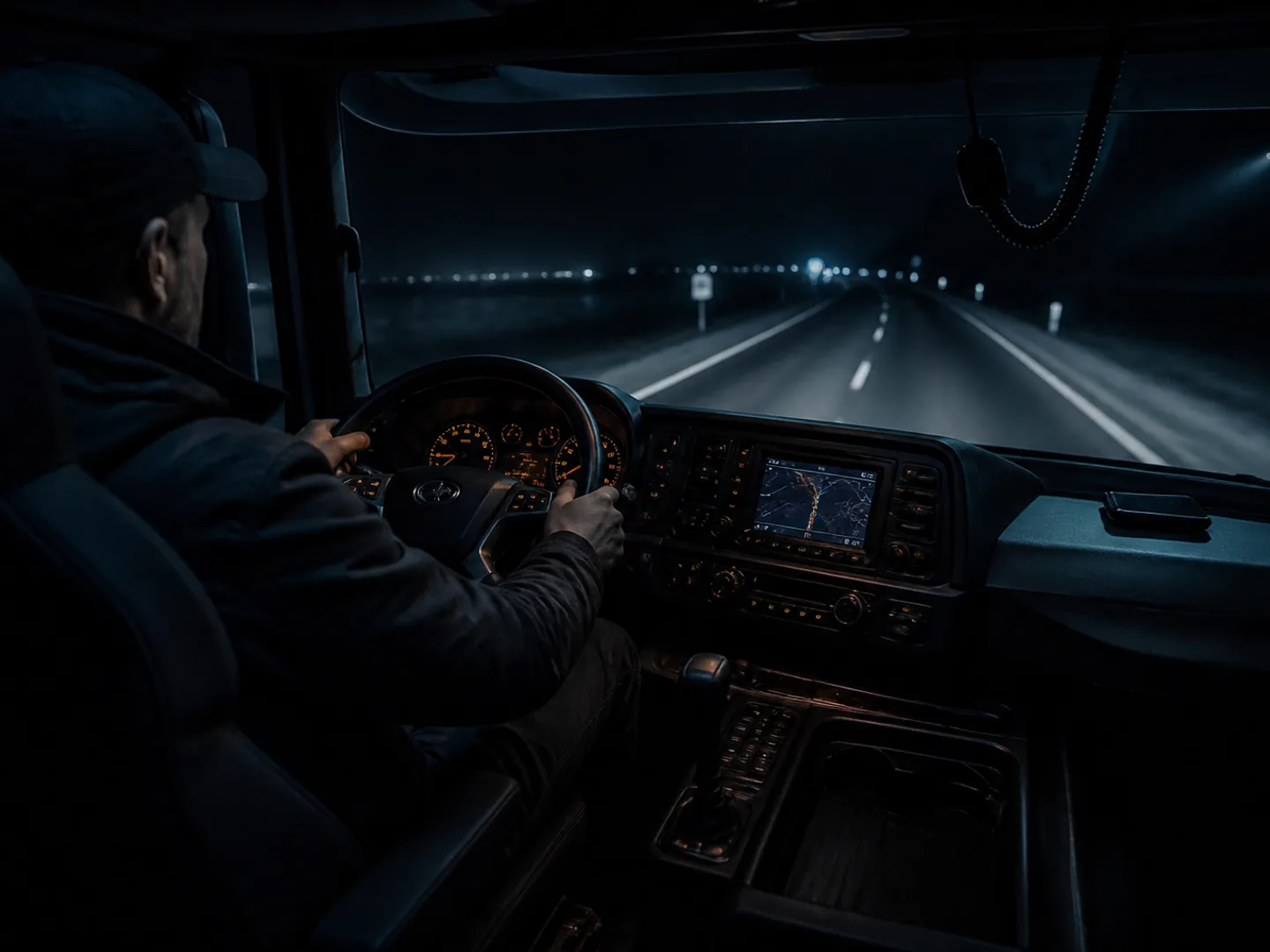
For years GPS tracking answered a single question: where is the vehicle. Onboard cameras answer the other half: what's happening inside and ahead. Integrated into the same platform, every map alert stops being an isolated data point and gains an attached video you can review, download and share.
Camera types we install
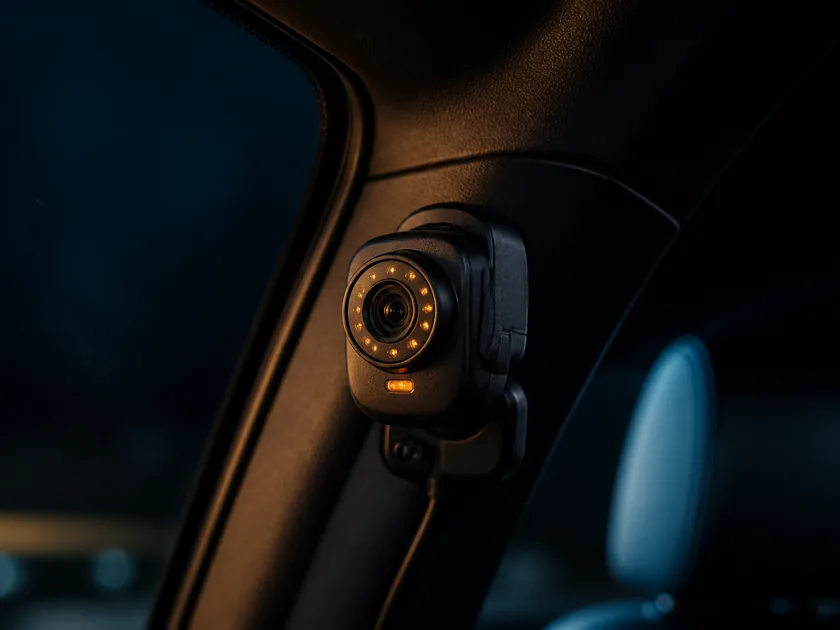
Interior camera
Focused on the cabin and the driver, with infrared night vision to operate at night without visible light.
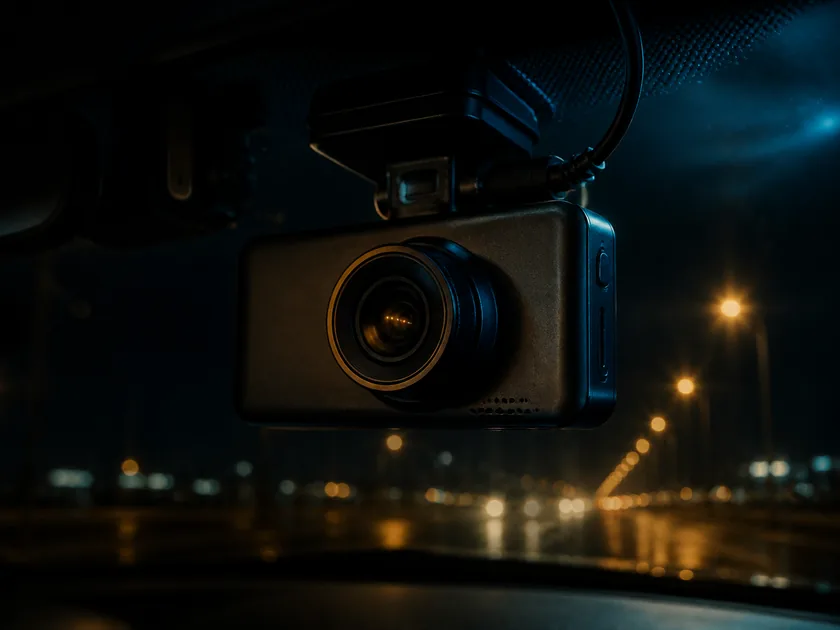
Front camera
Records the road ahead. It's the basis for ADAS lane and collision alerts.
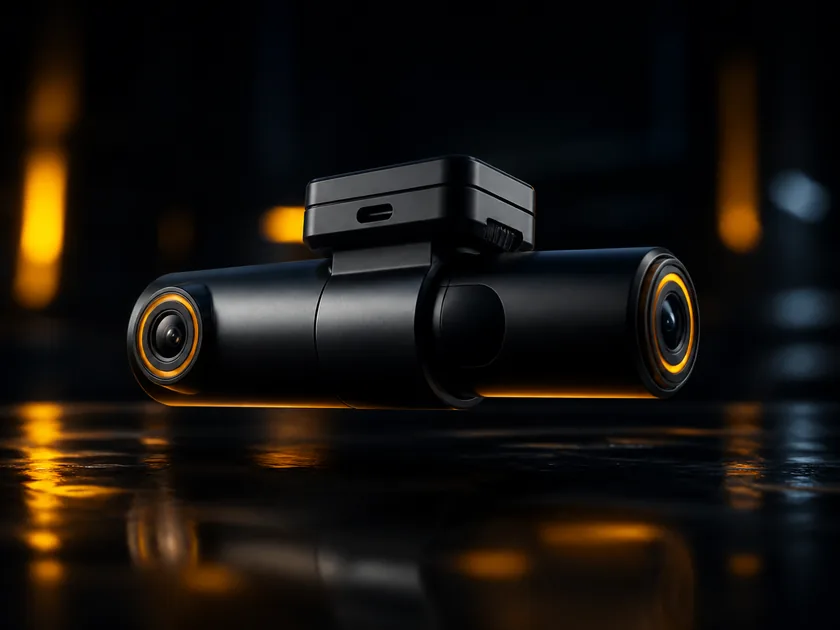
Dual camera
A single device with two channels: interior and front recording simultaneously and in sync.
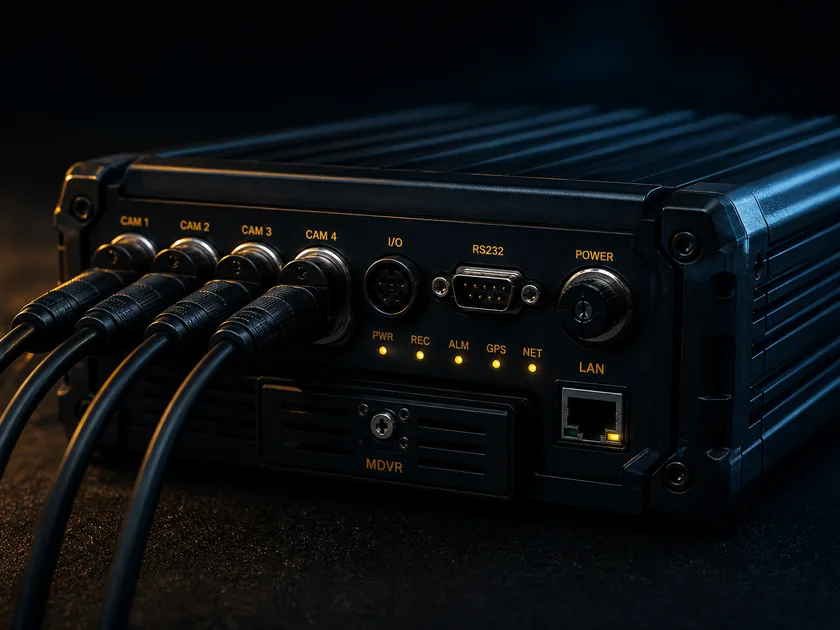
MDVR recorder
For trucks and buses: several camera channels, larger disk capacity and sensor inputs.
What the system can do
01
ADAS · Road alerts
Forward collision warning, unsignaled lane departure and insufficient following distance.
02
DSM · Driver state
Detection of drowsiness, head nodding, prolonged distraction, phone use and driver absence.
03
Live video
Open the stream from any channel via the web platform or mobile app whenever you need it.
04
Cloud evidence
Events generate a clip that uploads automatically and stays available for download and backup.
05
GPS synchronization
Every frame carries position, speed and time, so you can find the exact video for any point on the map.
06
Configurable alerts
Define which events trigger an immediate warning, who receives it and through which channel: app, email or platform.
Where it makes the difference
Accidents and third-party claims
Video with synchronized position, speed and time settles in minutes what would otherwise drag on for weeks.
Fewer fatigue-related accidents
The alert sounds in the cab before the driver loses control. That's prevention at the exact moment, not a report the next day.
Cargo care
A cargo camera lets you verify how each shipment was loaded, how it traveled and in what condition it arrived.
Training with real data
Reviewing specific clips with each driver changes behavior far faster than generic training.
Privacy and responsible use
Cabin video is sensitive information. We always recommend informing drivers that the vehicle has a camera, documenting it in writing, and limiting access to recordings to the people who genuinely need it. The platform lets you define per-user permissions and logs who viewed or downloaded each video. Configuring the system transparently doesn't just comply with each country's labor regulations: it also makes drivers accept it as a protection tool rather than surveillance.
Frequently asked questions
Can I watch the camera live from my phone?
Yes. From the app or web platform you can open a live stream from the channel you choose, as long as the vehicle has network coverage at that moment.
Where are the recordings stored?
Continuous recording stays on the device's storage, which overwrites the oldest footage once full. Event clips upload to the cloud and stay available for download.
How much video is kept?
It depends on installed capacity and number of channels. In a typical dual-channel setup, several days of continuous recording are retained.
Does fatigue detection work with glasses or at night?
Yes. The infrared sensor detects the face in low light, and most models work correctly with glasses, including dark ones.
Can it be installed in any vehicle?
In practically any. For cars and pickups we use compact one- or two-channel devices; for trucks and buses, multi-channel recorders.
Do I need to replace my current GPS?
Not always. In many cases the camera is added to the existing installation. We review it based on the device you already have.